
Baltica: VR Quest Experience
Level & Environment Design
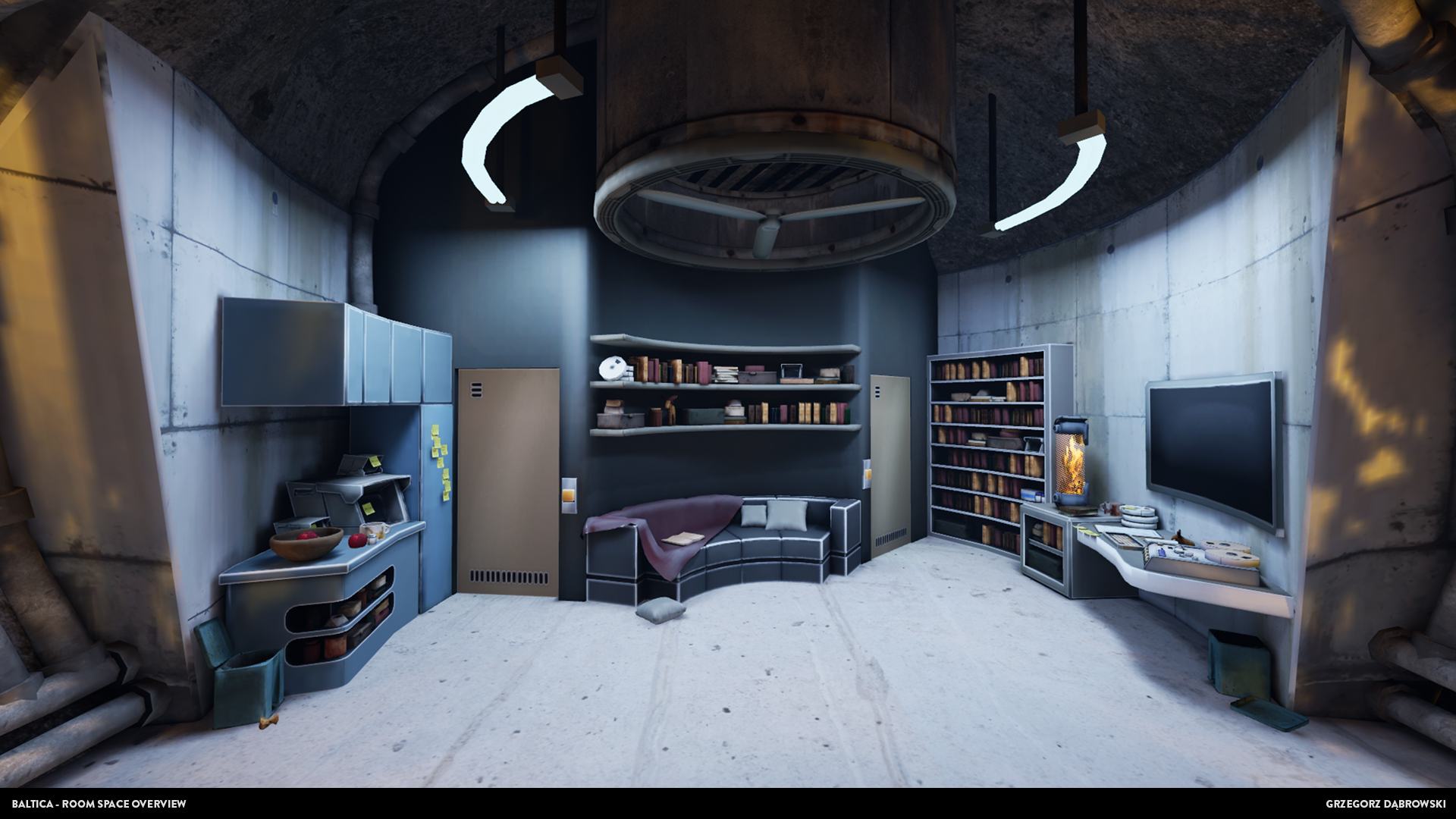
Welcome to a visionary realm where the ethereal beauty of the Baltic Sea meets the cutting-edge frontier of post-soviet future technology. Picture yourself stepping into a futuristic laboratory, nestled amidst the remnants of human influence on Earth. Here, players seamlessly collaborate within the space, each operating their own laboratory through interactive interfaces, computers, and maps. The hub serves as a nexus for a unique multiplayer experience, fostering cooperation as players embark on expeditions to gather precious biomass. Immerse yourself in a journey where virtual reality converges with ecological restoration, promising a narrative that transcends the boundaries of traditional gaming.
Platform:
Oculus Quest 2
Engine:
Unreal Engine 4
Level Design
Rough/detail blockout phase
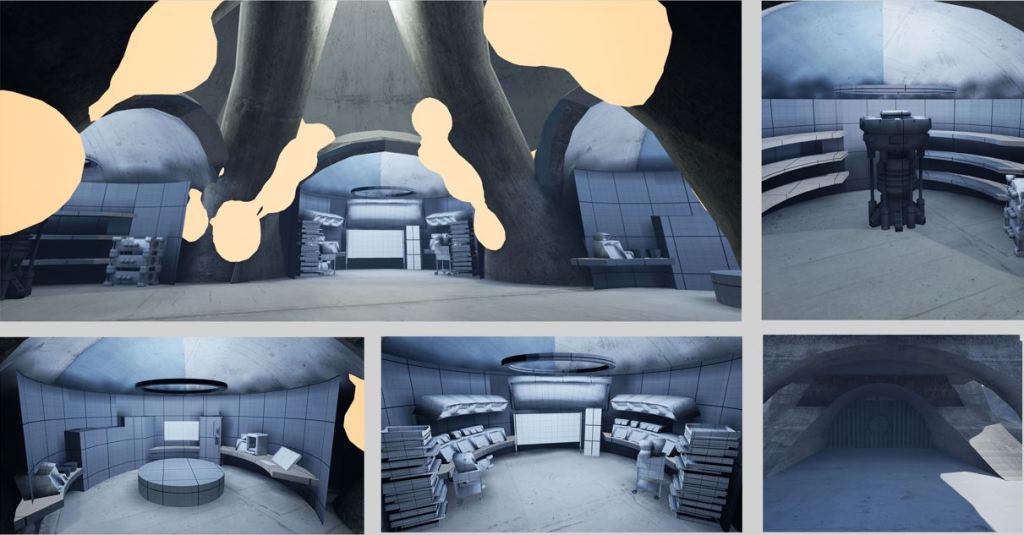
The blockout components, beyond serving as structural elements, function as emotional triggers, offering players an immersive journey from introspection to optimism. These forms are inspired by brutalist architecture which makes this place feel eternal. For practical reasons, I’ve adjusted object heights for human scale comfort and divided the space into three rooms for efficient navigation and asset management in the sci-fi VR hub.
Level scripting
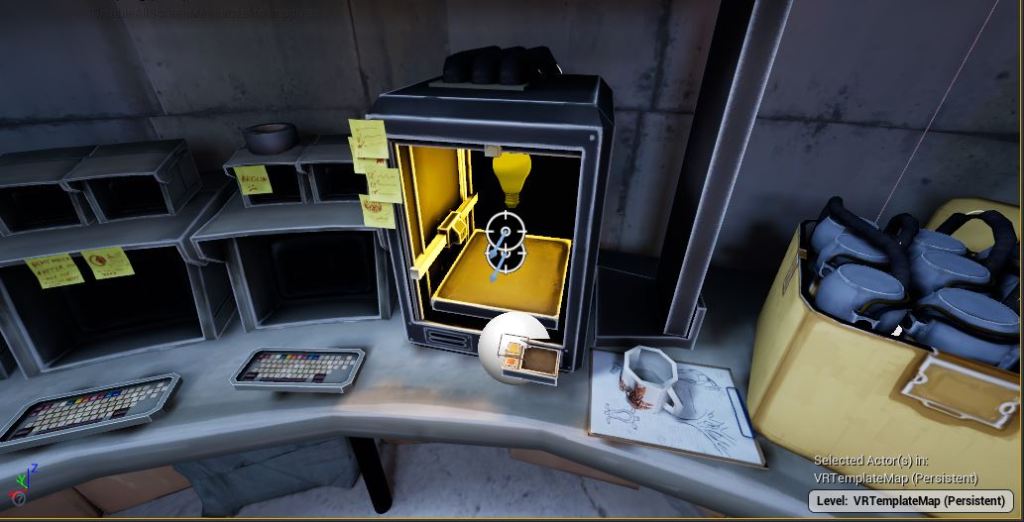
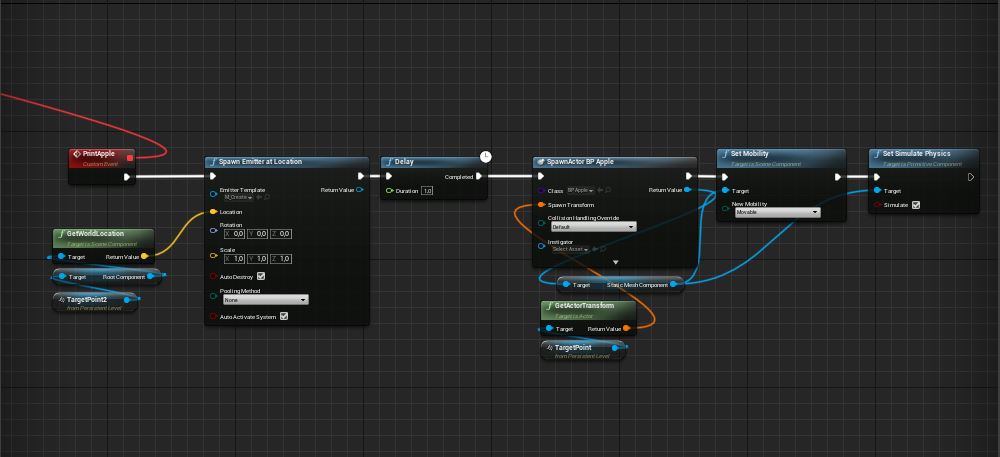
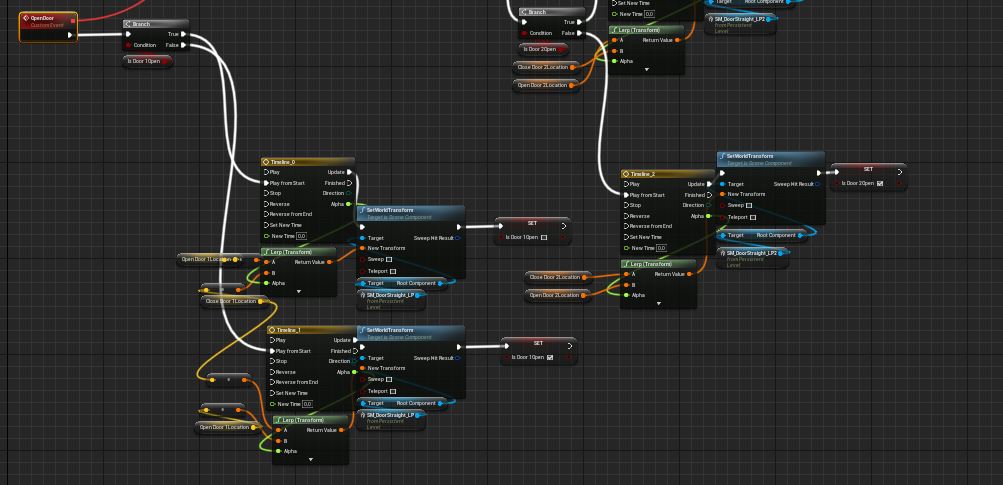
I’ve used Level Blueprints for this one because I’ve wanted to make myself an option to control it from inside of Sequences for presentation purposes. It’s easy to set up, and my primary goal was to create a hub space, which doesn’t have to be heavily scripted.
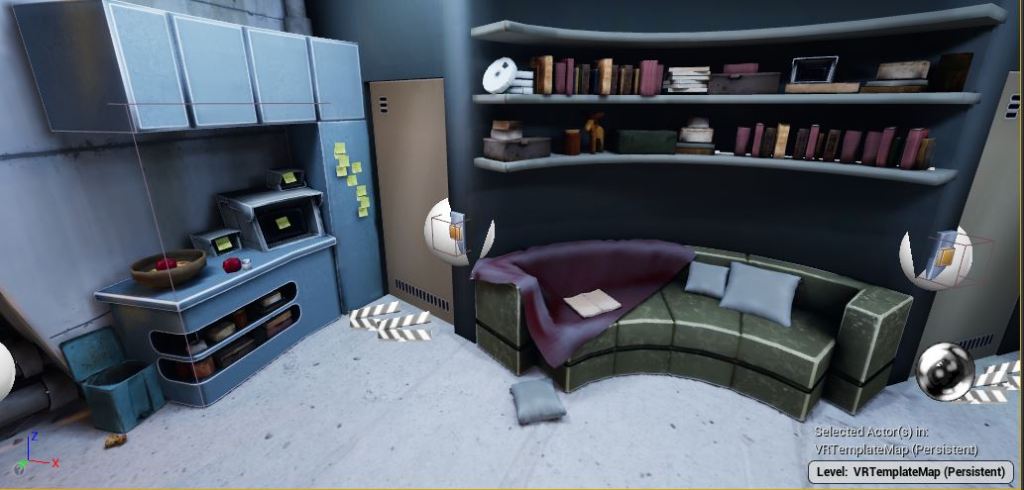
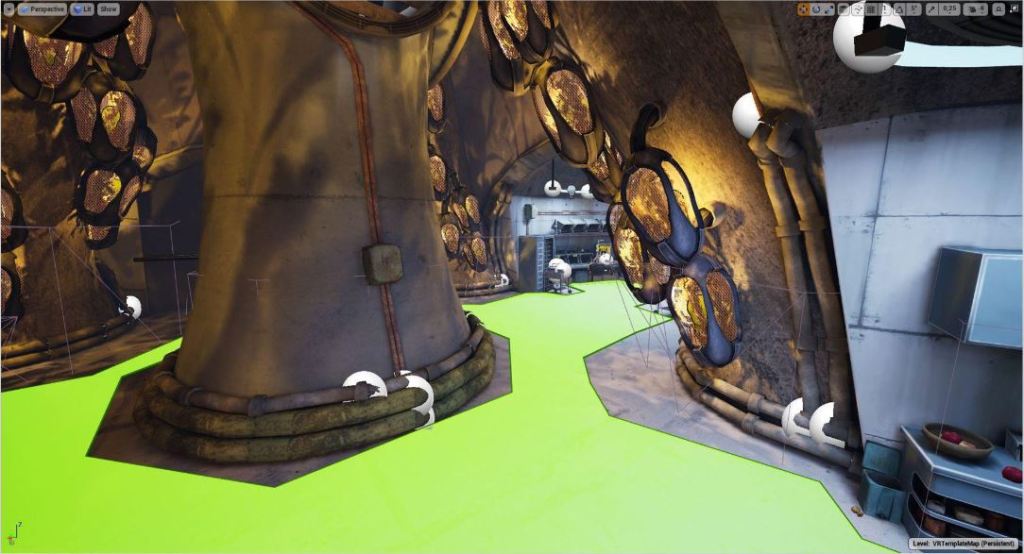
I’ve needed to match navmesh to space appropriately, so the player won’t clip into walls during teleportation.
Technical Design
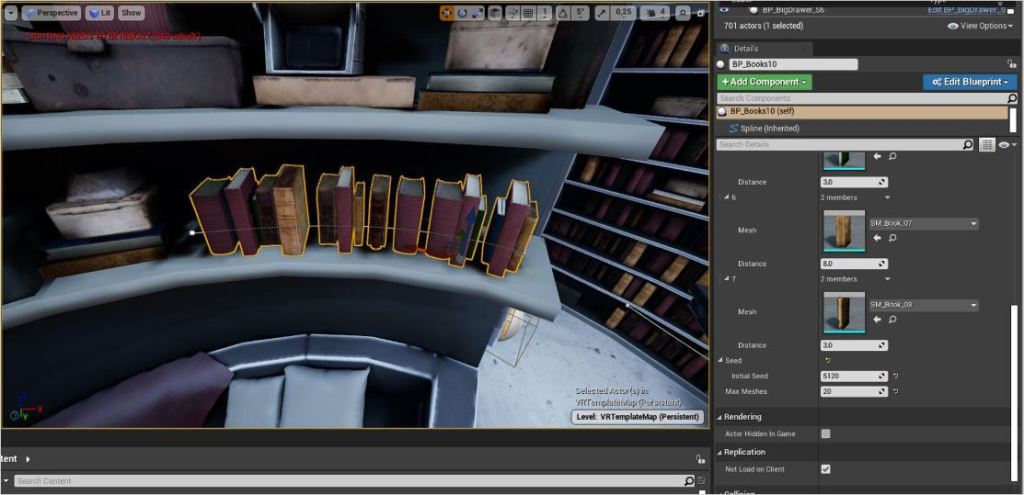
I’ve created a tool which lets me place and randomize books on the shelf. It’s designed to be as flexible as possible. Users can choose whatever mesh they like to be randomized and change the seed. I’ve created it in UE Blueprints.
Environment Design
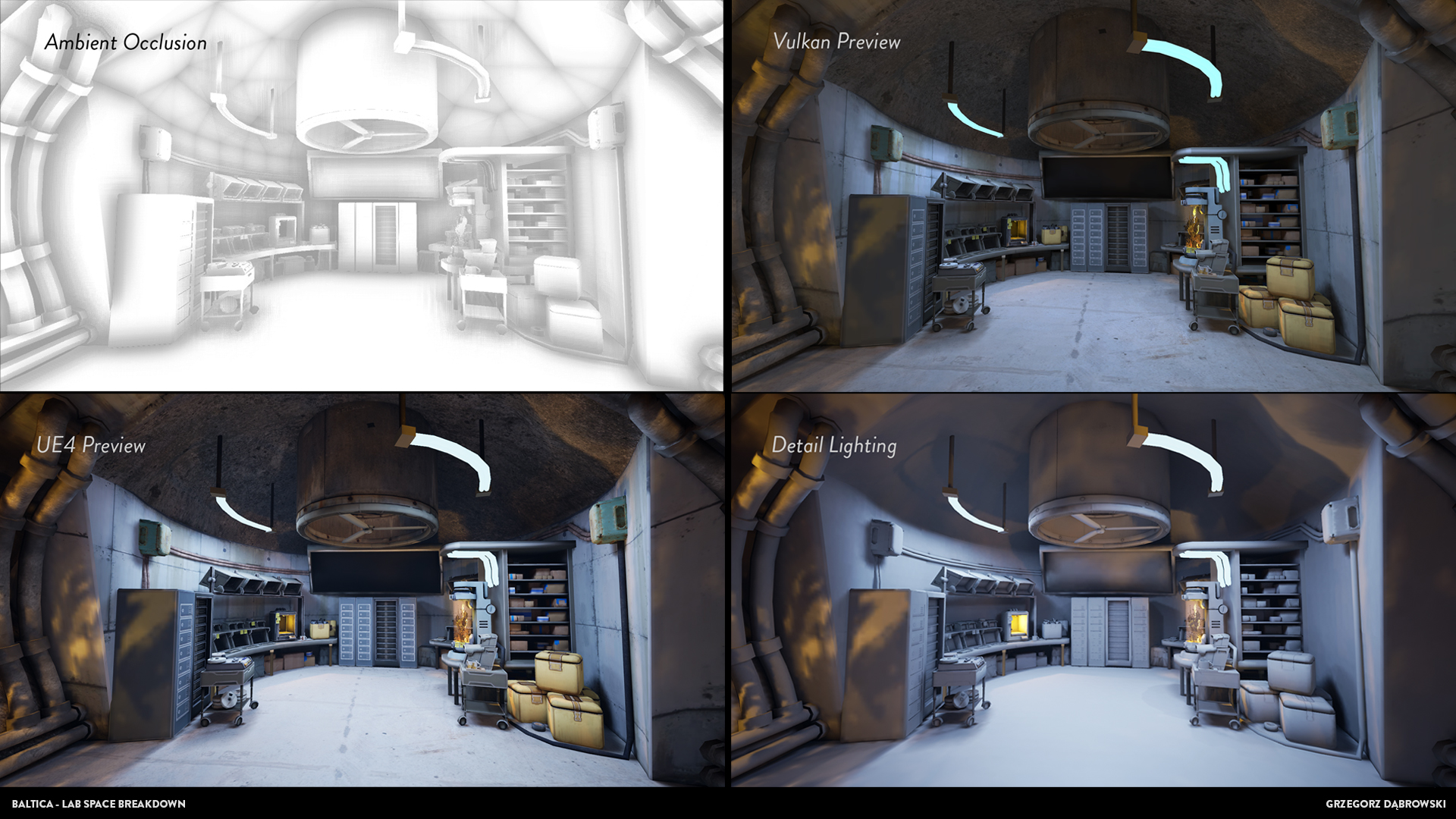
Detailing space
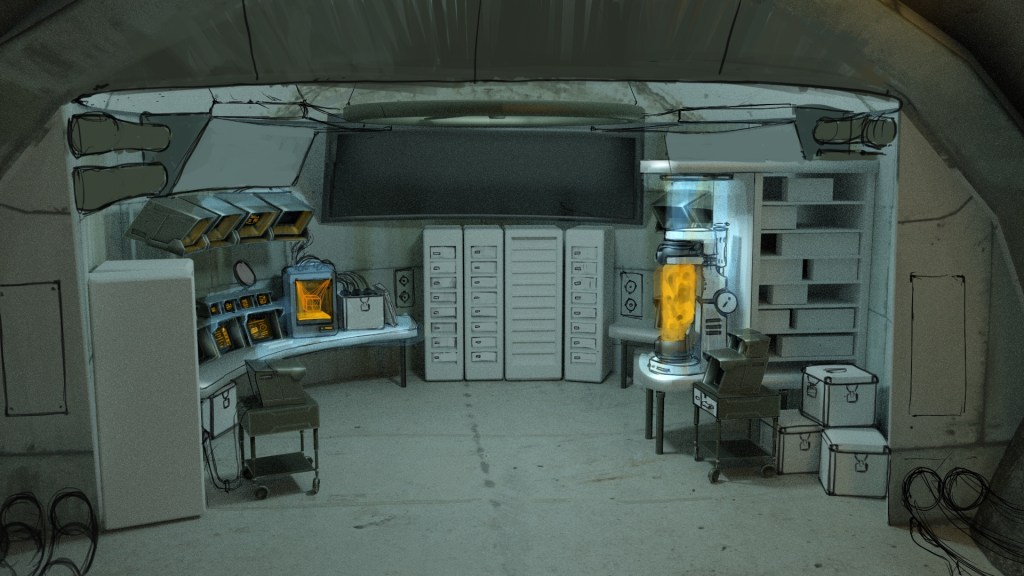
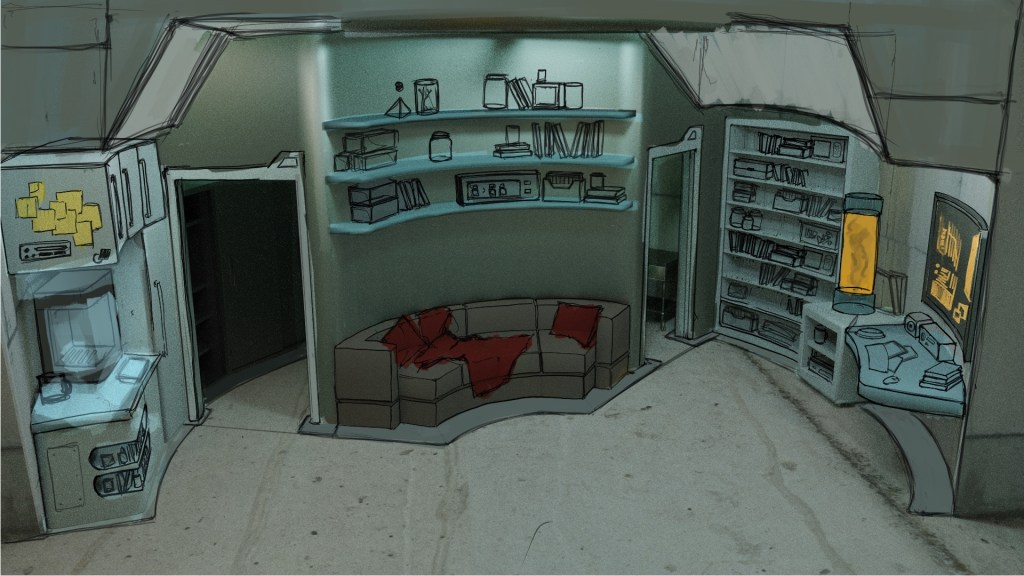
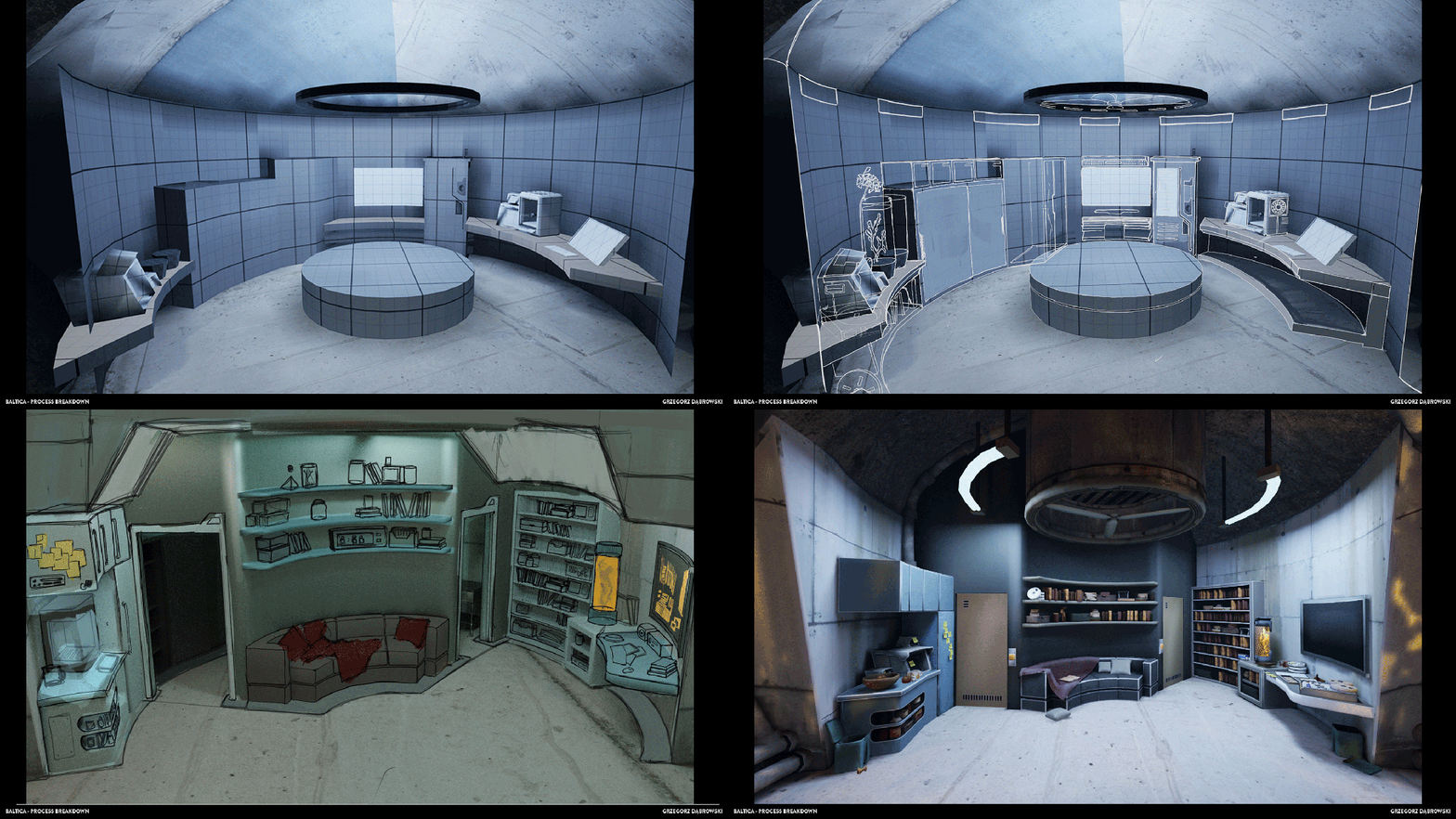
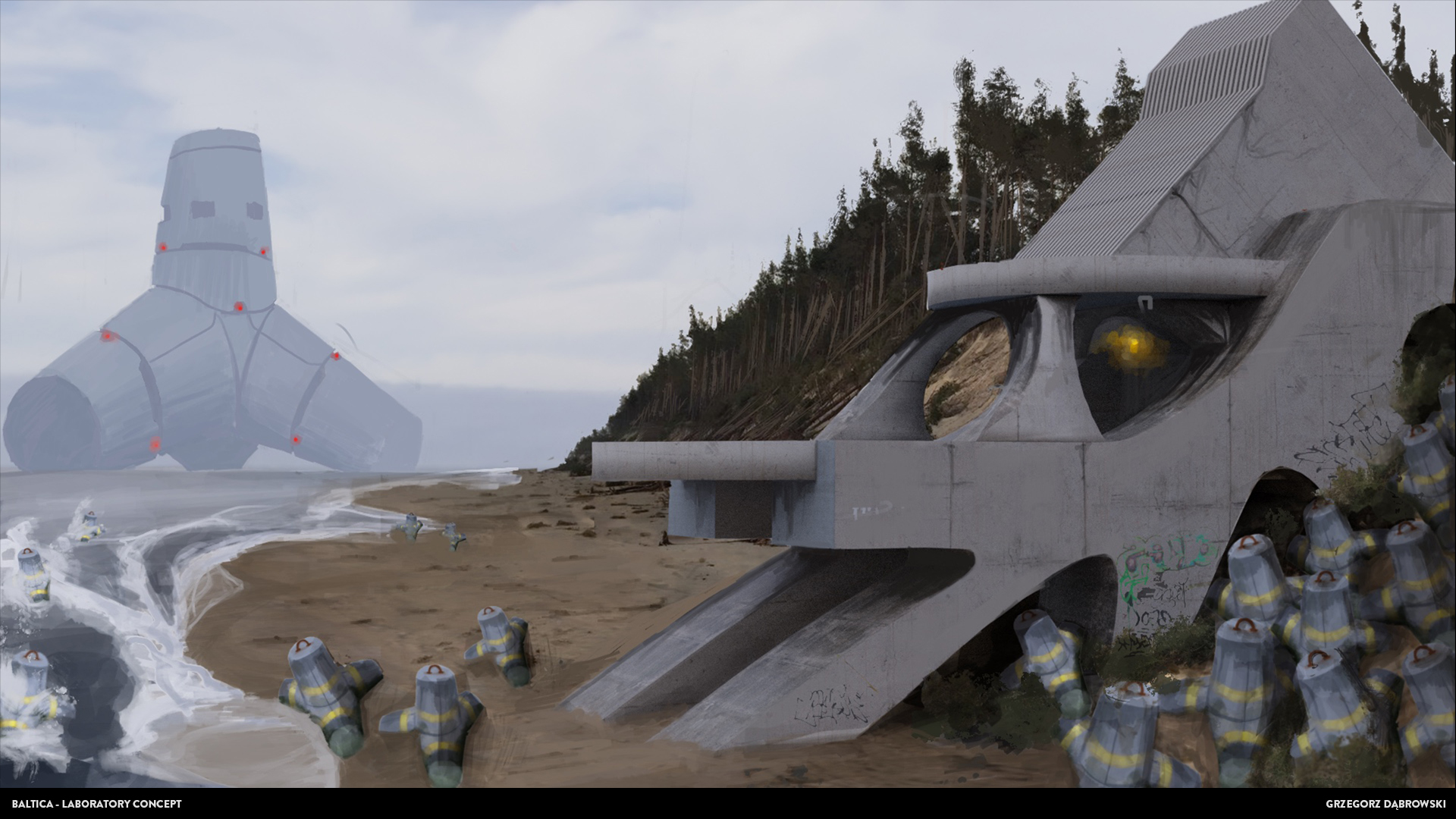
The process of creating a concept for space was intertwined with the process of producing models that were ultimately already used in the game. The creation of concept sketches was iterative – the blockout was implemented in the engine, and I drew on the screenshots to narrow down the level of detail on the stage.
What I’ve learned:
- I gained practical knowledge of what solutions work best in the context of designing virtual spaces
- create spaces that meet the technological requirements of Meta Quest 2
- how to optimize spaces in UE4 for the most demanding requirements, through merging, batching, culling and LODs
- integrate mechanics that support immersion and are specific to movement in VR
- design and script tools that support quick meshing in the engine
In-engine screenshots
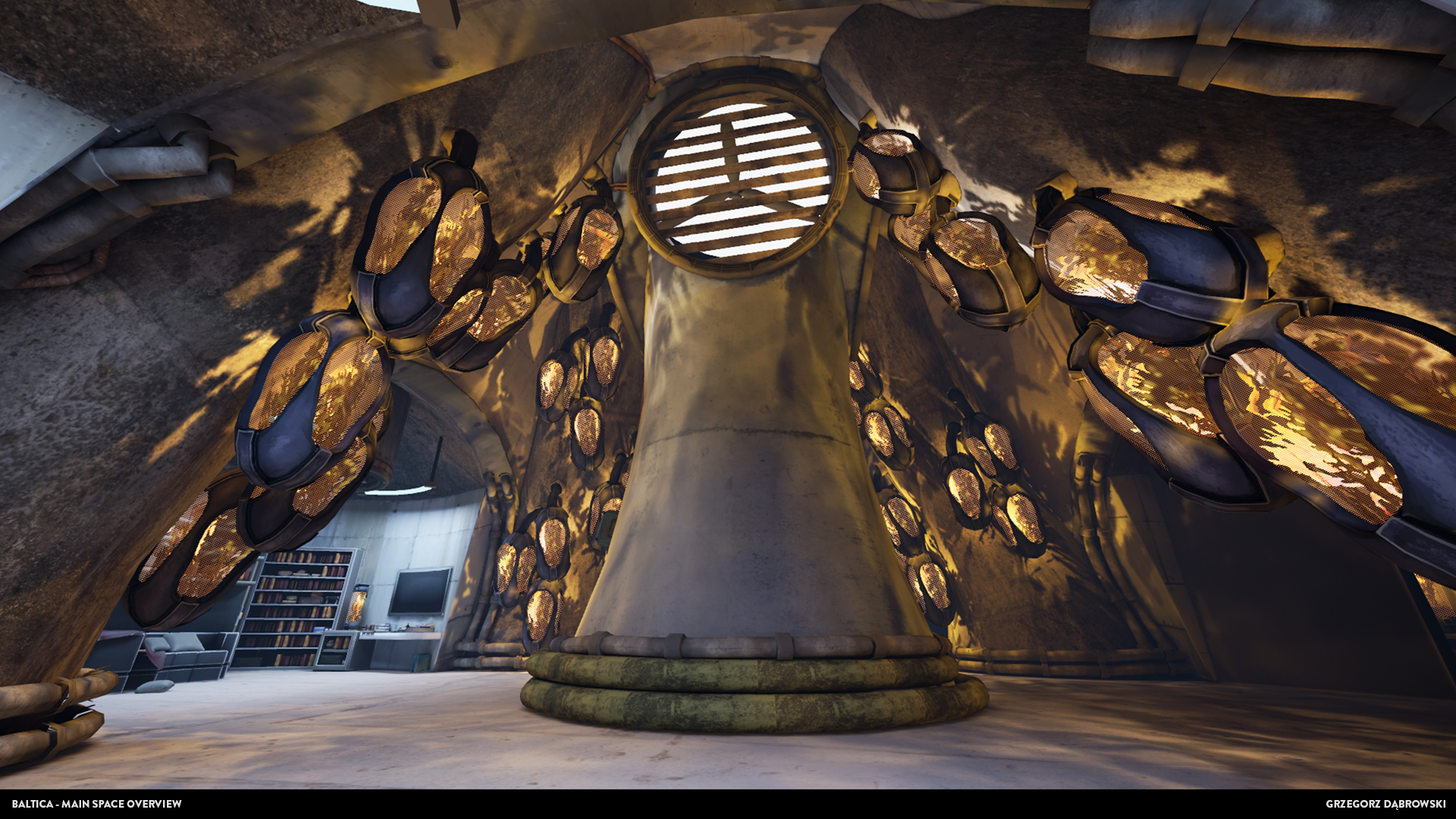
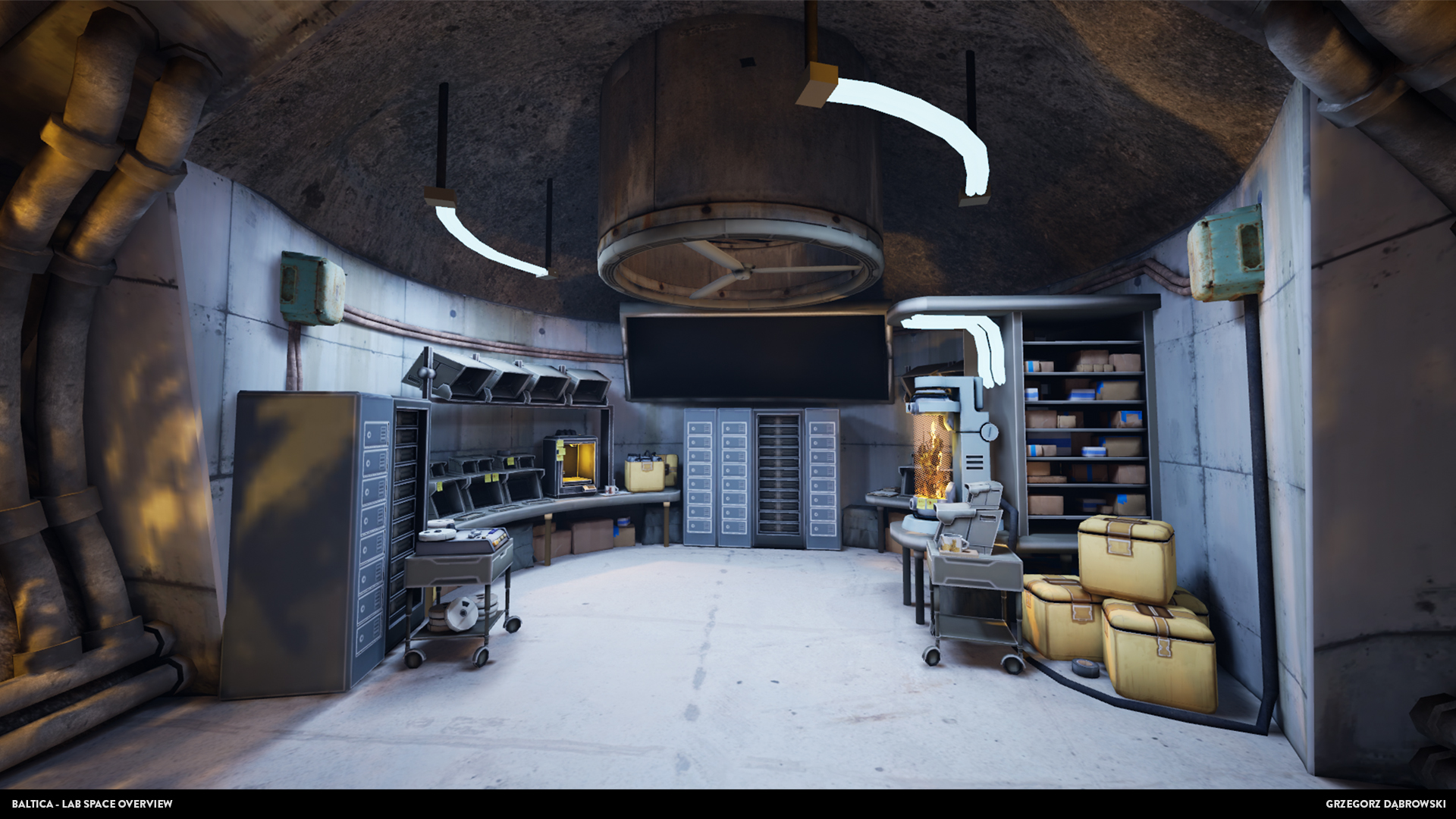
Meshes & concept art
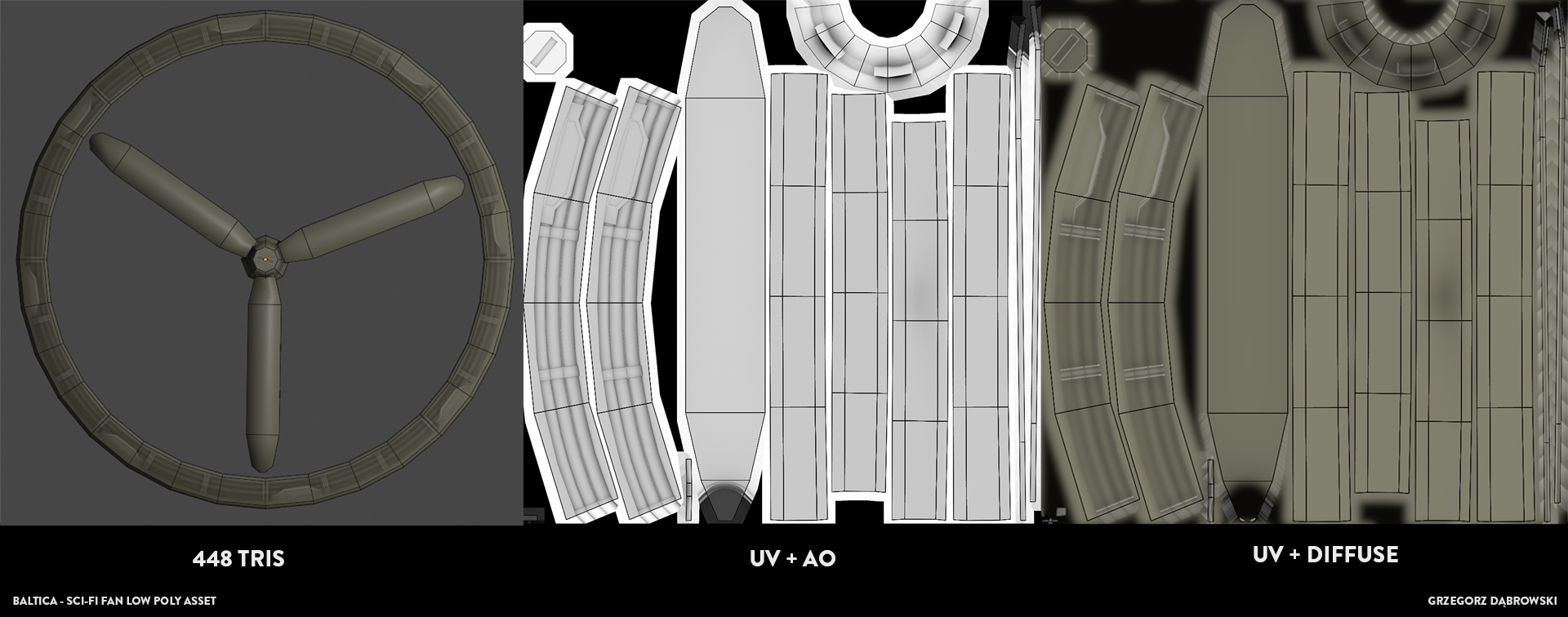
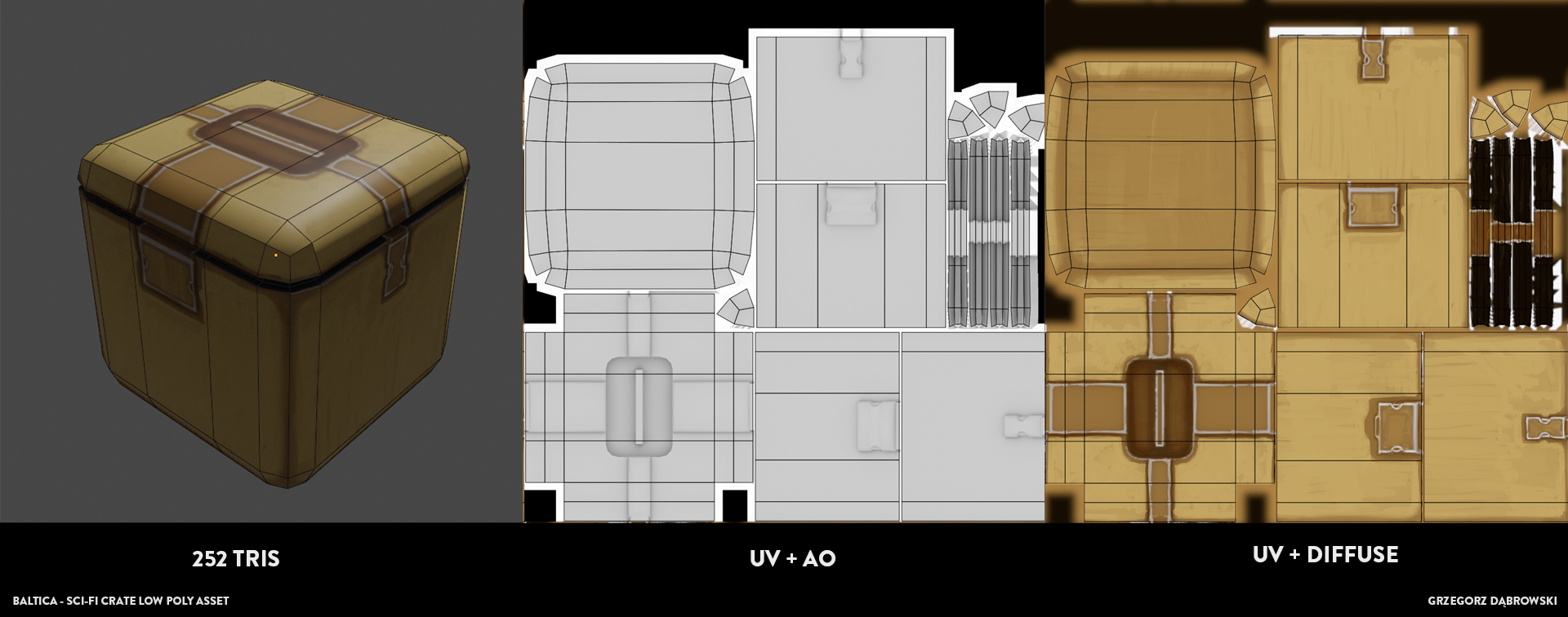
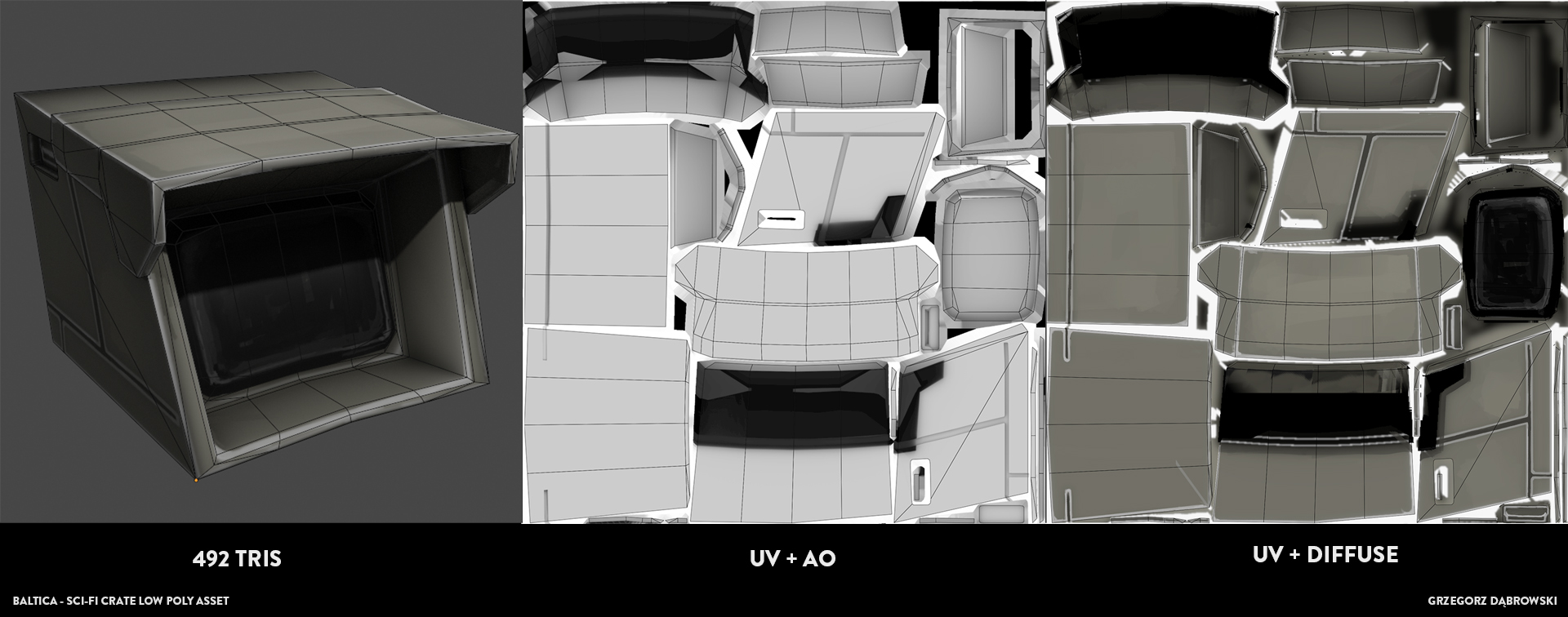
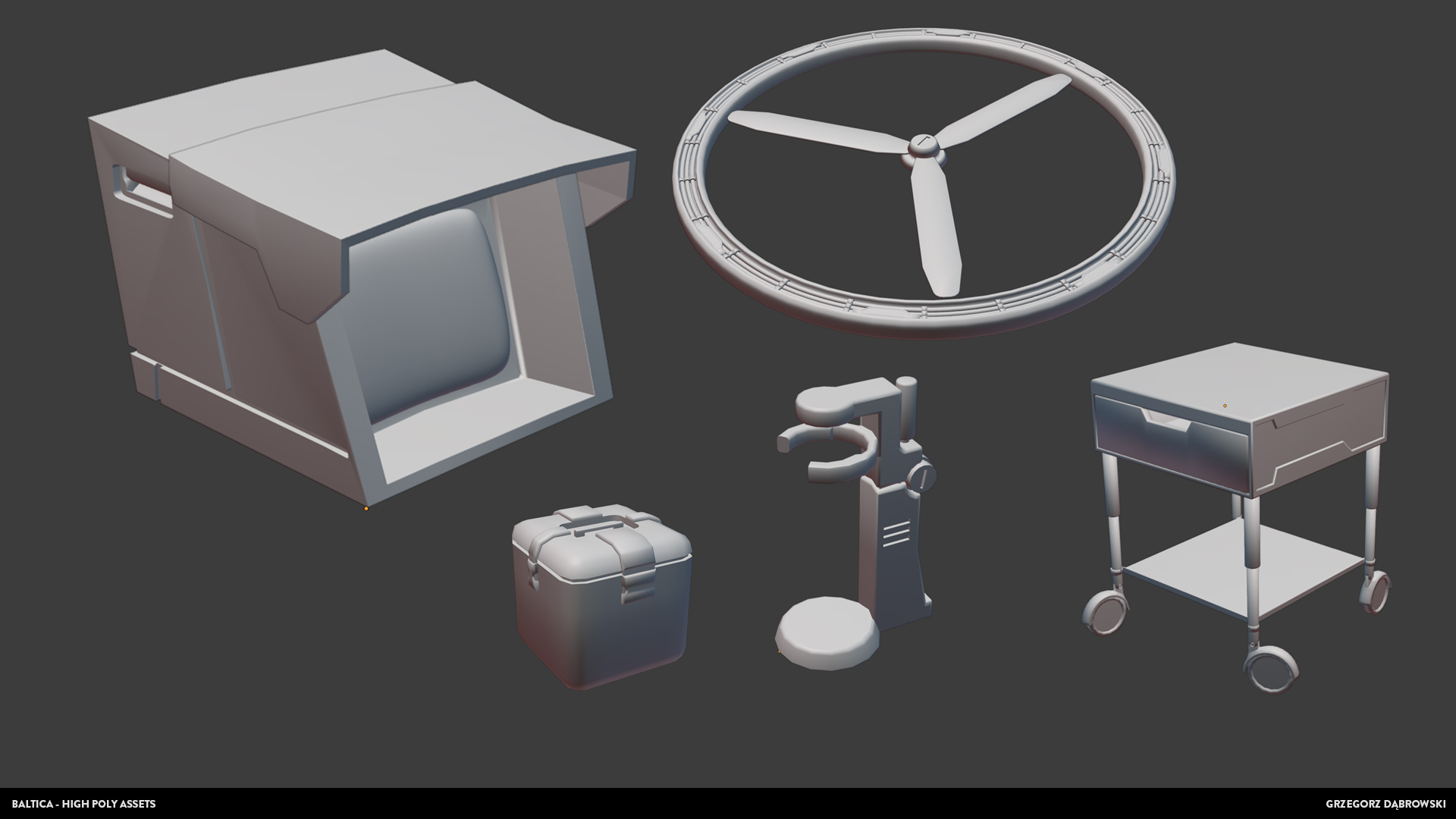
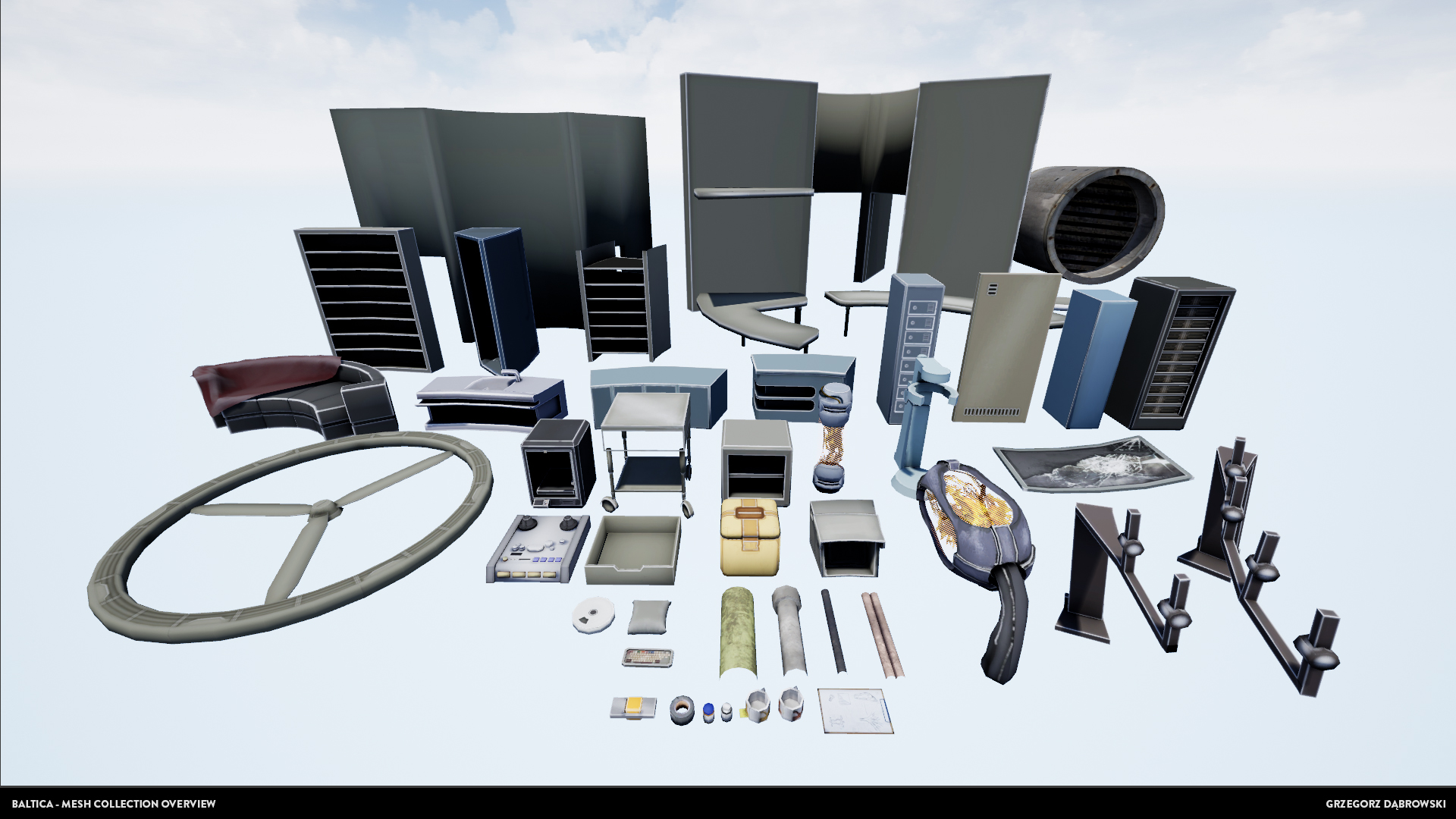
My asset development process was oriented towards efficiency. I created high-poly meshes only for hero props, so they were further baked into low-poly meshes. Building an app for Oculus Quest 2 is a demanding process, and a lot of detail could be missed due to the technical restrictions of this platform.
Interested in what you’ve seen?
I’d love to work with you.
GRZEGORZ DABROWSKI
Level designer and virtual space designer
Social media:
 GRZEGORZ DABROWSKI